Silverfish remediation in coastal South Florida requires managing the structural conditions that allow moisture-dependent insects to thrive. High relative humidity in neighborhoods like Coconut Grove, Brickell, and…
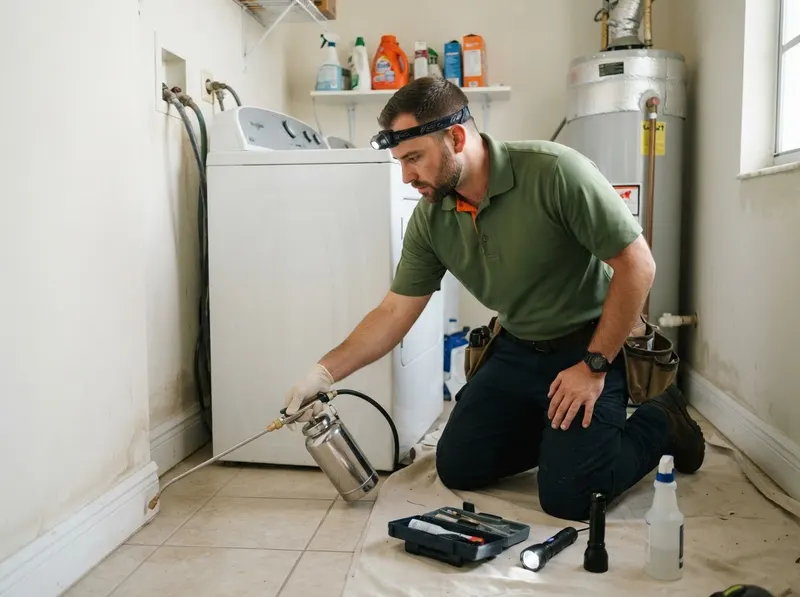
Silverfish remediation in coastal South Florida requires managing the structural conditions that allow moisture-dependent insects to thrive. High relative humidity in neighborhoods like Coconut Grove, Brickell, and Edgewater drives silverfish into drywall cavities, subflooring, and ceiling plaster where ambient moisture exceeds 70 percent. These insects consume carbohydrates, binding glues in book bindings, wallpaper paste, and insulation backing. Treating the interior perimeter baseboards alone does not halt an infestation because silverfish harbor within structural wall voids, sub-slab plumbing penetrations, and unconditioned attic spaces. A thorough remediation protocol combines dry void desiccant applications, such as inorganic borate dust inside electrical chases and plumbing drops, with moisture-resistant exterior perimeter barriers.
Decision guidance depends on structural age and elevation. Historic coral rock and wood-frame residences in Little Havana, Coral Way, and the Upper Eastside often present settled foundations and unsealed sill plates that admit outdoor humidity. For these older properties, mechanical exclusion of foundation gaps paired with attic void remediation resolves persistent outbreaks. In modern high-rise condominiums along Brickell and Edgewater, infestations primarily concentrate around laundry closet drywall and beneath kitchen cabinetry adjoining riser stacks. In these units, desiccant dusts and targeted non-staining micro-encapsulated formulations manage localized harborage without requiring structural modifications.
Outdoor soil saturation from tropical rainfall along Biscayne Bay washes away non-encapsulated chemical applications within hours. Remediation therefore relies on rain-fast, micro-encapsulated barrier formulations applied directly to exterior foundation perimeters up to a height of 3 feet. The practical trade-off in moisture pest remediation balances chemical longevity against moisture reduction: chemical applications suppress active populations for 60 to 90 days, but lasting elimination requires homeowners to address ambient indoor humidity with dedicated dehumidification or air conditioner service to keep relative levels below 50 percent.
Every job gets a firm, written price after a free on-site visit.
Tell us about your silverfish and moisture pest remediation job in Miami and we'll send a clear, written quote, usually the same day.
 Silver Palm Pest Control