Pest Control Service in Miami targets the intense biological pressures created by South Florida's persistent year-round heat and porous limestone geography. Finding reliable pest control near me requires proactive exclusion, precise species identification, and water-resistant chemistry capable of withstanding torrential afternoon downpours.
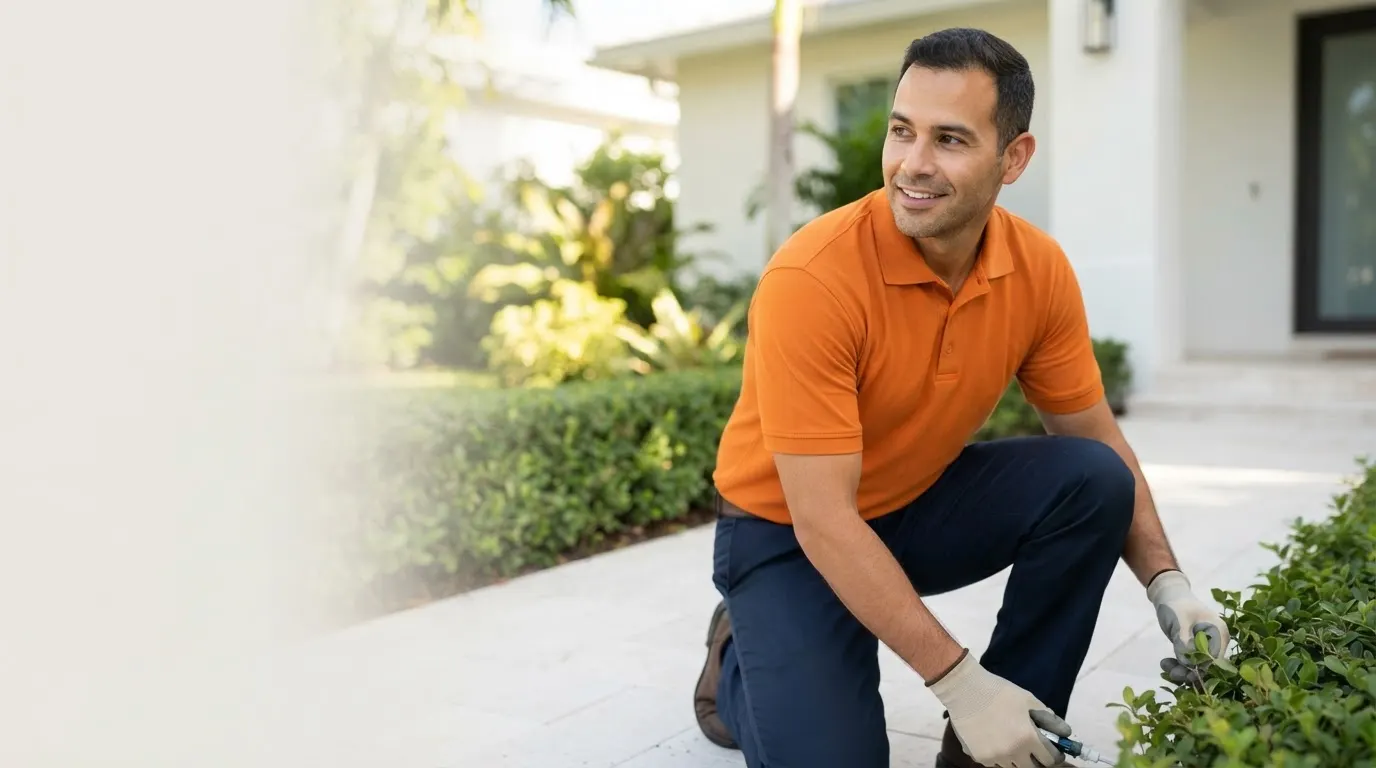
Pest Control Service in Miami is a specialized structural management discipline that eliminates invasive sub-tropical insects and rodents through climate-resilient exterior barriers, targeted interior treatments, and physical exclusion methods adapted to high humidity environments.
Every service reflects the same meticulous attention to detail, whether it's a single job or a larger pest control service project across Miami.
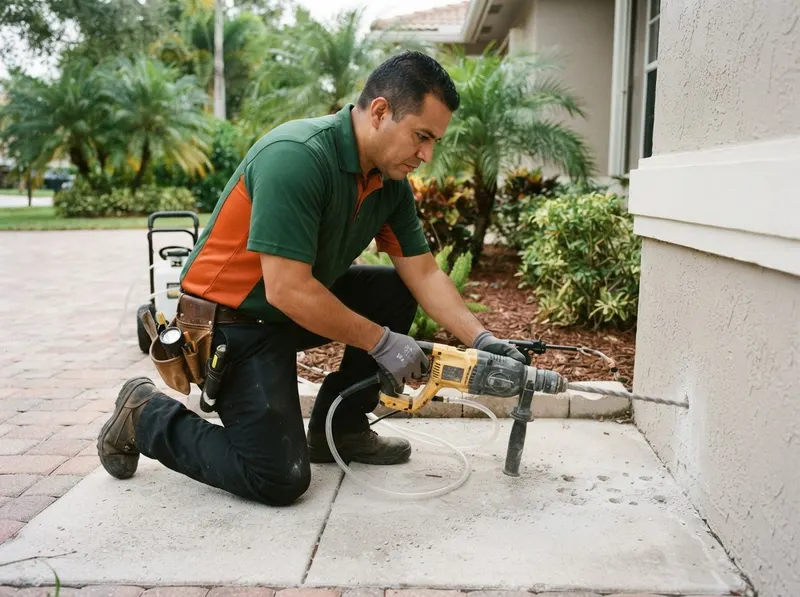
Subterranean termite management targets aggressive Asian subterranean termites (Coptotermes gestroi) and Formosan subterranean termites (Coptotermes formosanus) nesting deep within Miami's damp, porous coastal soil. Liquid non-repellent termiticides containing fipronil or imidacloprid are injected into hand-dug soil trenches and drilled through exterior concrete slabs around foundation footings at precise 12-inch intervals, creating an uninterrupted chemical barrier around the property footprint. Foraging worker termites cannot detect the active chemistry, unknowingly tracking the toxicant throughout the subterranean colony network and transferring it via mutual grooming to eliminate underground queens and satellite nurseries within 60 to 90 days. Continuous monitoring stations embedded flush with the turf every 10 to 15 linear feet around the exterior structural envelope provide ongoing early-stage structural detection against reinvasion.
Get a quote →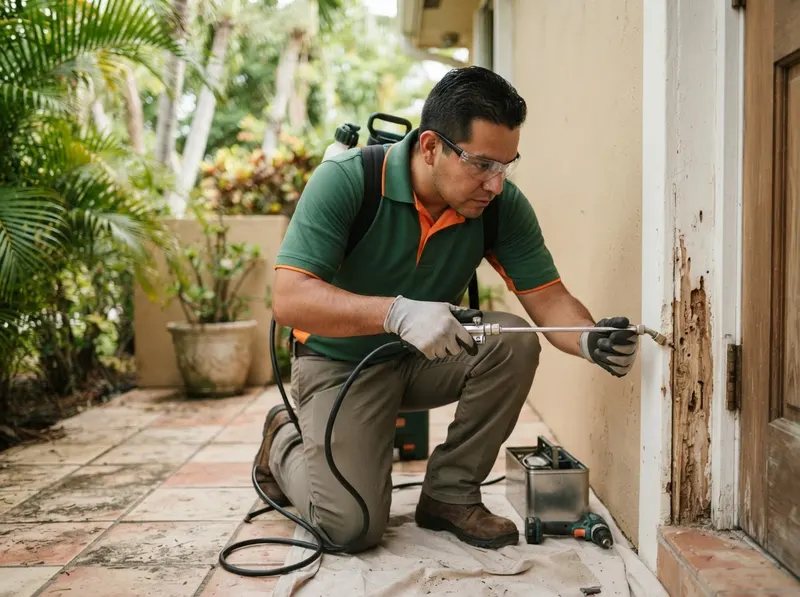
Drywood termite spot remediation addresses localized colonies of Cryptotermes brevis living entirely within structural roof trusses, interior door jambs, hardwood oak floors, and decorative fascia boards without soil contact. Technicians detect internal gallery voids using sensitive acoustic sensors and high-resolution thermal imaging cameras, followed by precision drilling of tiny 1/8-inch access ports directly into infested wood fibers. Specialized expanding foam termiticide or desiccant aerosol dust formulations are injected under calibrated pneumatic pressure, penetrating deep into tortuous feeding galleries and eliminating drywood colonies on contact without requiring disruptive canvas tent fumigation or family relocation. Treated openings are subsequently sealed with color-matched structural wood patches, preserving architectural finishes across historic and modern residential living spaces.
Get a quote →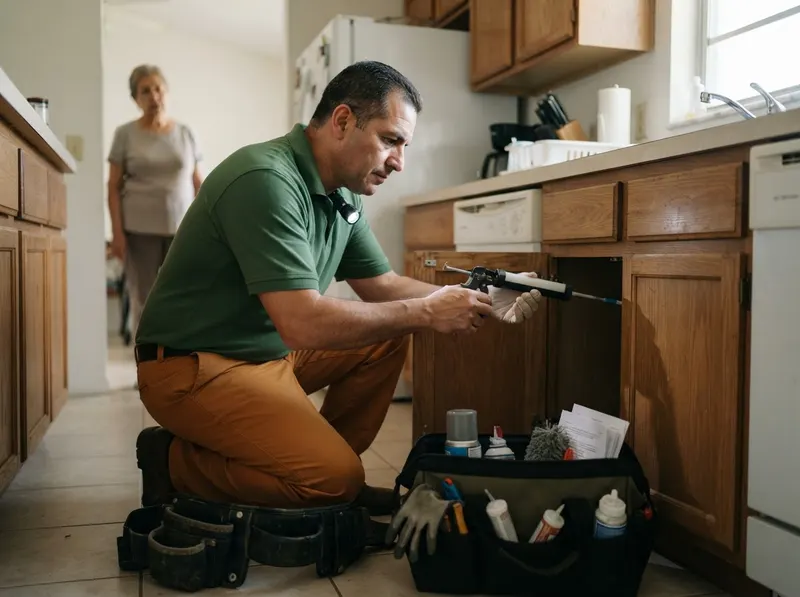
German cockroach cleanout protocols eradicate heavy, treatment-resistant Blattella germanica populations inhabiting residential kitchens, commercial pantries, and multi-unit plumbing chases. Technicians execute comprehensive mechanical vacuum extraction using HEPA-filtered equipment to eliminate live congregating clusters, followed by precision spot placements of advanced abamectin and hydramethylnon gel baits inside structural cabinet hinges, drawer glides, electrical junction boxes, and refrigerator compressor housings. An insect growth regulator (IGR) compound such as pyriproxyfen or novaluron halts egg hatching and prevents immature nymphs from reaching reproductive adulthood for up to 90 days, systematically breaking the colony reproductive chain without aerosolizing harsh chemical odors into domestic food-preparation environments.
Get a quote →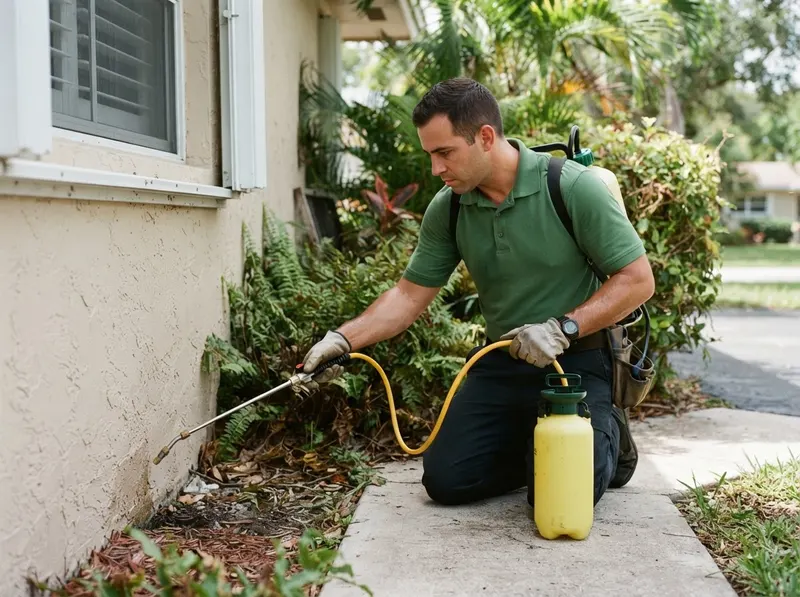
Perimeter cockroach management targets large American cockroaches (Periplaneta americana), smoky brown roaches, and Florida woods roaches that shelter naturally in damp palm fronds, municipal stormwater systems, and landscape mulch before infiltrating living areas. The process deploys UV-stabilized, water-insoluble microencapsulated synthetic pyrethroids along the entire foundational perimeter slab, crawlspace ventilation points, sliding glass patio door tracks, plumbing penetrations, and masonry weep holes. Water-resistant granular bait bands placed 5 to 10 feet into adjacent landscape beds establish a protective buffer zone that consumes foraging outdoor adult populations before they can migrate across the residential threshold.
Get a quote →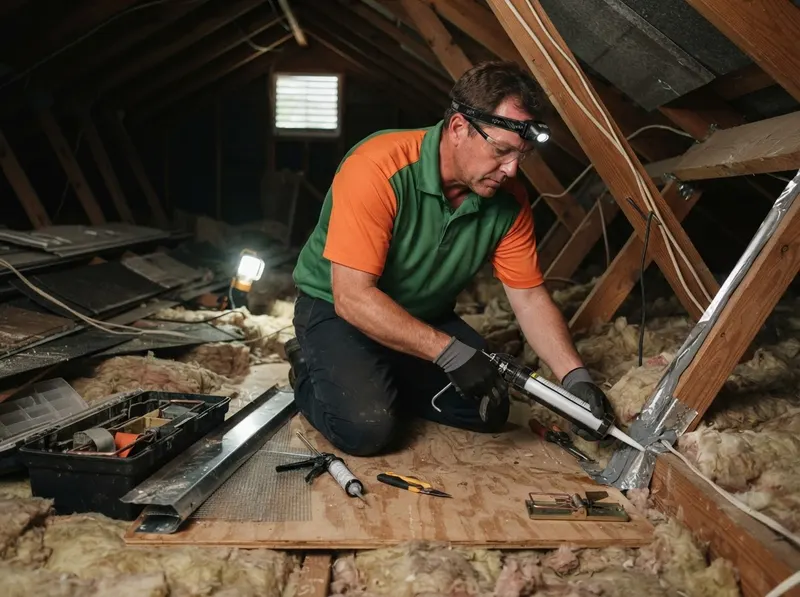
Attic rodent remediation targets destructive roof rats (Rattus rattus) and house mice that utilize overhead electrical lines and overhanging live oak branches to access barrel tile roof eaves and attic insulation. Technicians seal every vulnerable roofline intersection, attic ventilation louver, soffit return, and air conditioning line-set chase using non-corrosive galvanized steel hardware cloth, metal flashing, and high-density elastomeric polyurethane backing. Heavy-duty mechanical snap traps are secured exclusively inside unoccupied attic spaces along established sebum-stained travel runways, inspected systematically over a two-week interval to clear the population completely without applying indoor anticoagulant bait blocks that cause offensive odor hazards inside interior drywall cavities.
Get a quote →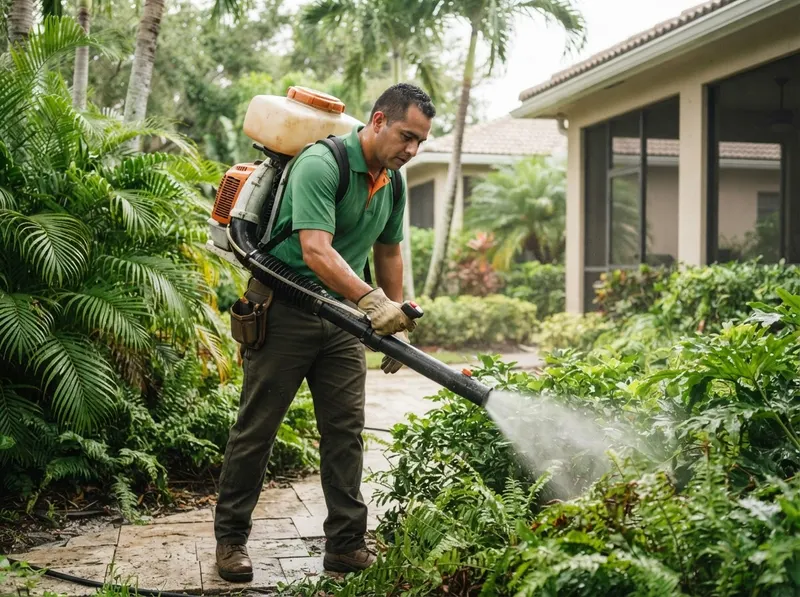
Mosquito barrier suppression targets aggressive Aedes aegypti and Culex quinquefasciatus vectors breeding across shaded subtropical foliage and localized standing water catchments. Technicians utilize commercial motorized backpack mist-blowers to distribute fine microencapsulated adulticides paired with botanical oil synergists to the undersides of broadleaf palms, dense decorative shrubbery, foundation plantings, and structural roof overhangs where adult mosquitoes shelter during high daytime temperatures. Biological larvicide briquettes containing Bacillus thuringiensis israelensis (BTI) are simultaneously applied to exterior drainage basins, catch basins, decorative fountains, and bromeliad cups to neutralize immature mosquito larvae for up to 30 days without impacting beneficial aquatic life.
Get a quote →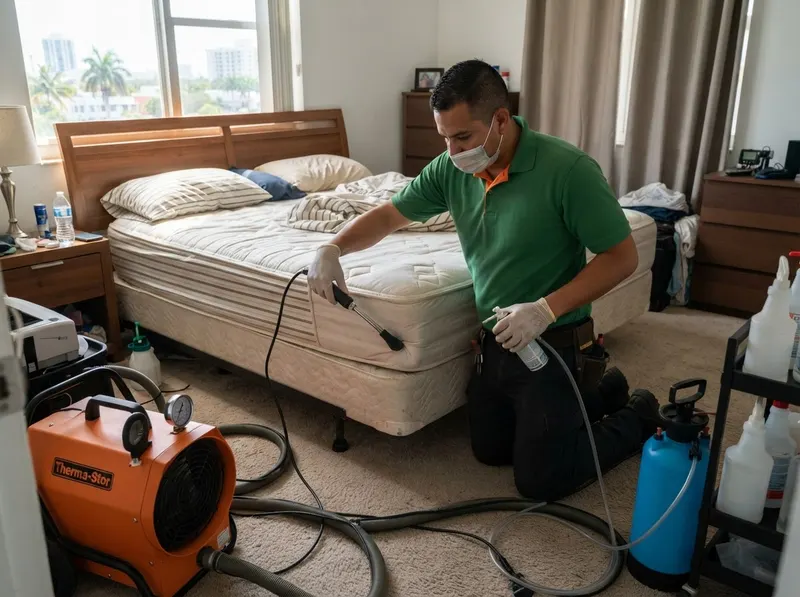
Bed bug remediation targets concealed Cimex lectularius colonies harboring inside mattress tufts, headboard joints, baseboard perimeters, structural flooring transitions, and electrical receptacle cavities. Dual-modality treatments combine targeted high-output convective structural heat distribution, elevating room ambient temperatures to a lethal threshold of 125°F to 135°F for several sustained hours, with localized residual chemical applications inside wall voids and beneath tack strips. This comprehensive protocol eradicates all bed bug life stages simultaneously, including microscopic egg deposits and synthetic-pyrethroid-resistant adult specimens, restoring structural habitability within a single operating day without requiring disposal of expensive structural furnishings.
Get a quote →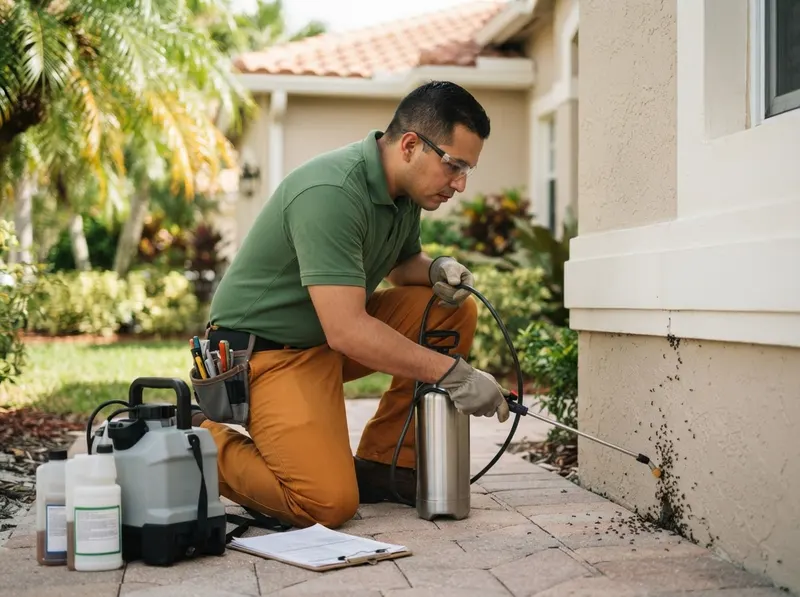
Ant management targets persistent, moisture-seeking ghost ants (Tapinoma melanocephalum) nesting inside hollow drywall voids and Florida carpenter ants (Camponotus floridanus) excavating moist structural wood members. Technicians apply targeted protein- and sugar-based matrix gel baits along mapped exterior pheromone trails and interior entry pathways rather than spraying generic repulsive insecticides that trigger defensive colony budding and satellite nest dispersal. Slow-acting non-repellent active ingredients such as fipronil or indoxacarb are carried by foraging sterile worker ants directly back into structural wall voids to nourish the queen, entirely collapsing the reproductive hierarchy across the property within 7 to 14 days.
Get a quote →You get a firm, itemized quote for your pest control service before any work begins, no surprises, no pressure.
Careful prep, tidy work, and a full cleanup when we are done. We treat your home and belongings like our own.
The same trusted, background-checked team from the first call to the final check.
Selecting structural treatment depends directly on the biological target, the severity of active infestation, and architectural vulnerabilities. If you observe localized wood damage, frass, or swarmers around window frames, choose targeted localized injection or whole-structure structural treatment; if you see occasional foraging American cockroaches or pavement ants entering through exterior sliding tracks, choose an exterior microencapsulated liquid barrier and perimeter granule treatment. The operational trade-off centers on treatment disruption versus systemic reach: localized direct injections resolve acute pest activity in single wall voids with zero property evacuation, whereas whole-structure fumigation or complete attic exclusion requires significant homeowner prep and brief structural vacating but provides 100% insect eradication throughout unreachable voids.
If rodent activity manifests as scratching noises inside drywall or droppings along baseboards, choose multi-point physical exclusion paired with tamper-resistant attic snap-trapping rather than interior toxic bait placement; exterior exclusion stops ongoing ingress permanently, whereas interior rodenticides risk unretrievable animal expiration inside enclosed wall cavities. For persistent German cockroach nesting in kitchen cabinetry, prioritize precision insect growth regulator bait placements rather than broad-spectrum baseboard sprays; bait placements eliminate reproductive cycles at harborages, whereas perimeter sprays can scatter nesting populations into deeper structural voids. For extensive dampwood or subterranean termite infestations that extend through concrete slab expansion joints, trenching and liquid injection protocols protect the foundational footprint for five to seven years, whereas localized wood foaming only arrests the insects currently inhabiting that specific timber zone.
Property owners managing historic wood-frame vernacular structures in South Florida must weigh the non-invasive nature of thermal spot remediations against the structural permanence of pressurized subterranean borate treatments; thermal systems preserve historic millwork without chemical residues but provide no residual deterrent against future migratory colonies searching for damp nesting conditions. Selecting attic encapsulation versus routine perimeter rodent trapping represents a similar calculus: full architectural exclusion demands a higher upfront investment to hardware-cloth every barrel tile opening, yet it completely severs the arboreal superhighway created by mature urban tree canopies, sparing the home from recurring structural insulation damage. For mosquito-heavy residential lots along coastal canals or dense tropical landscaping, selecting biological larvicide applications in conjunction with microencapsulated adulticide foliage misting provides durable population suppression, whereas basic spatial fogging disperses within hours under coastal breezes, leaving emerging aquatic larvae unaffected.
Every project gets a firm, written price after a free on-site visit. Ranges below for orientation.
Tell us about your pest control service job and we'll send a clear, written quote, usually the same day. Or just call and talk to a real Miami pro.
(645) 465-2609
Miami's subtropical maritime climate produces roughly 60 inches of annual precipitation paired with an average relative humidity that routinely exceeds 75%, creating an accelerated, continuous breeding environment across Miami-Dade County where insects and rodents never experience biological dormancy. The underlying geology of porous Miami oolite limestone provides an extensive subterranean network of moisture caverns and solution holes where subterranean termites, ghost ants, and burrowing pests thrive shielded from conventional surface treatments. In historic architectural sectors such as Coconut Grove and Coral Way, mature urban canopies of live oaks, banyan trees, and strangler figs make direct contact with traditional Spanish barrel-tile roofs, granting roof rats uninterrupted arboreal corridors into attic crawlspaces that require complete mechanical hardware-cloth exclusion rather than basic ground-level baiting. High-density urban corridors along Brickell Avenue and Biscayne Boulevard in Edgewater face unique structural pest challenges within high-rise plumbing shafts, electrical conduit runs, and communal refuse chutes, where German cockroaches and pharaoh ants travel between floors via concealed service chases. In coastal and riverfront residential areas near The Wharf Miami, Little Havana, and Wynwood, saturated tidal water tables along the Miami River and Biscayne Bay force large American cockroaches and rodents out of municipal stormwater catchments during seasonal king tides, driving them directly toward the exterior perimeters of private residences. These extreme localized moisture variations necessitate high-durability, microencapsulated exterior chemical barriers that bond to stucco, coral rock masonry, and poured concrete without degrading under intense solar ultraviolet radiation or washing away during severe afternoon tropical downpours.
Free estimates for Miami & the surrounding area.
 Silver Palm Pest Control